
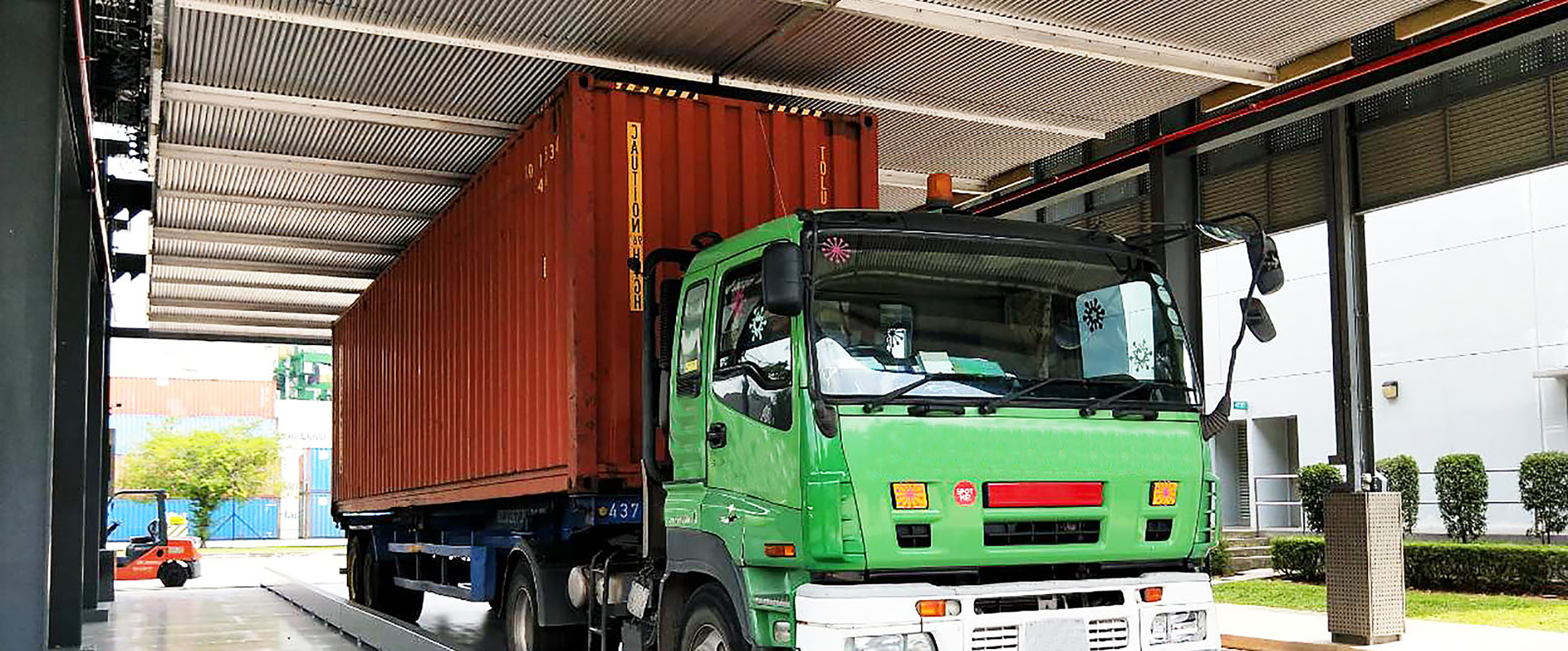
Decision Sciences’ Multi-Mode Passive Detection System (MMPDS) enables the identification of security threats at both port and border/land port operations, while facilitating the legitimate flow of commerce. MMPDS is the only existing technology capable of passively detecting shielded nuclear material, contraband or anomalies in commerce.
Our Technology Explained
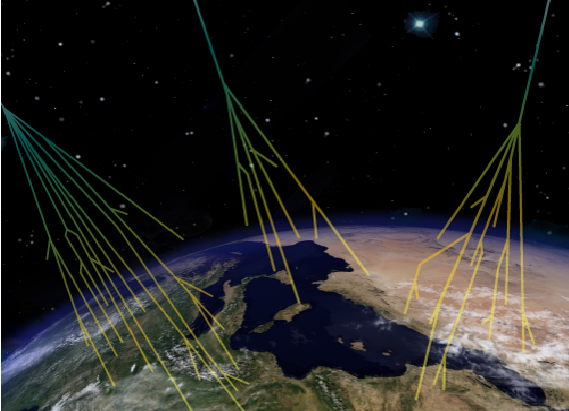
Cosmic rays shatter in the Earth’s atmosphere and produce a harmless flux of muons and electrons that rain onto earth 24 hours a day, 7 days a week. Over 10,000 muons and electrons pass through your body every minute.
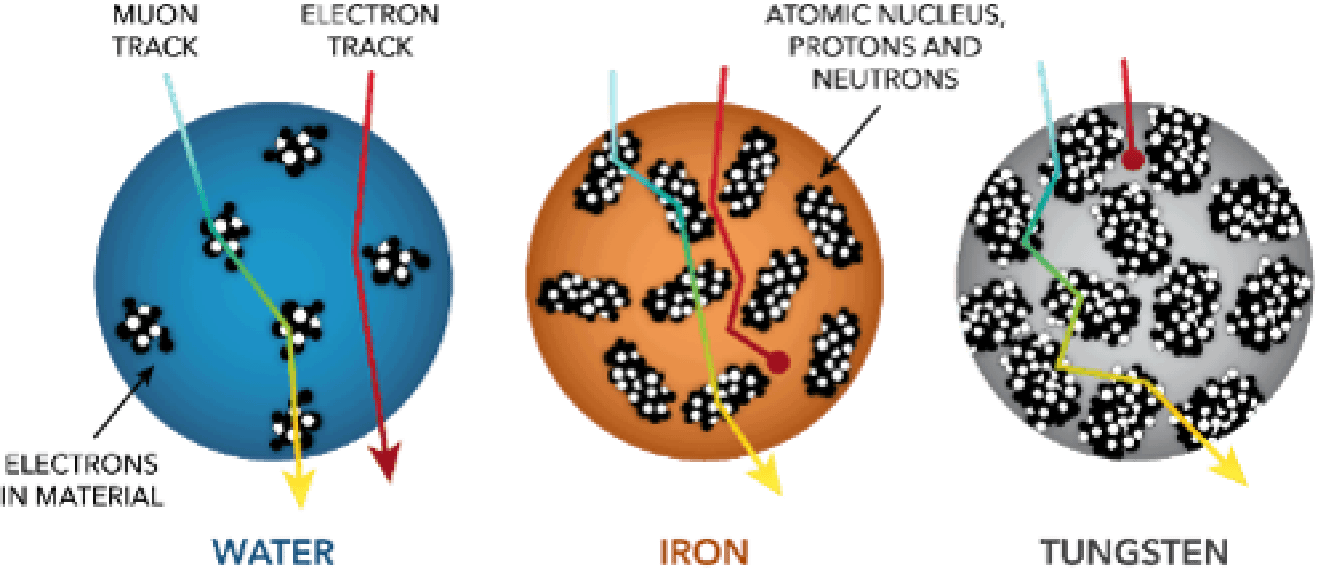
When muons hit objects they are highly penetrating and scatter based on the atomic number and nuclear density. Electrons scatter much more readily than muons due to their lower mass and attenuate proportional to the atomic number.
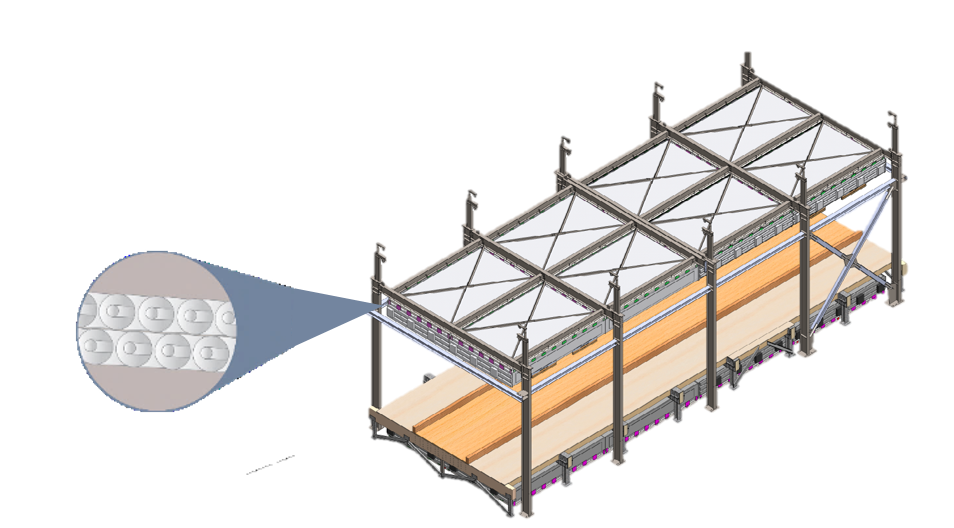
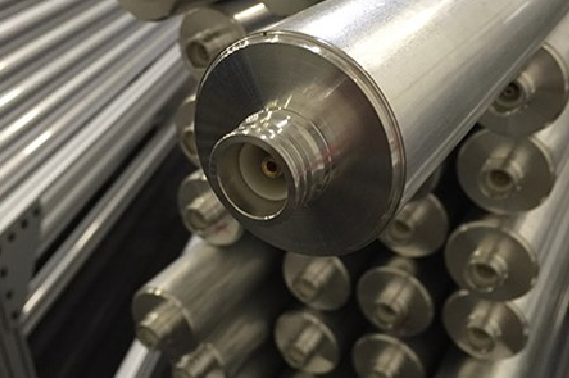
The MMPDS hardware is made up of aluminum drift tube arrays across the top and the bottom that form a drive-thru portal. This hardware allows MMPDS to detect muons, electrons and gamma radiation.
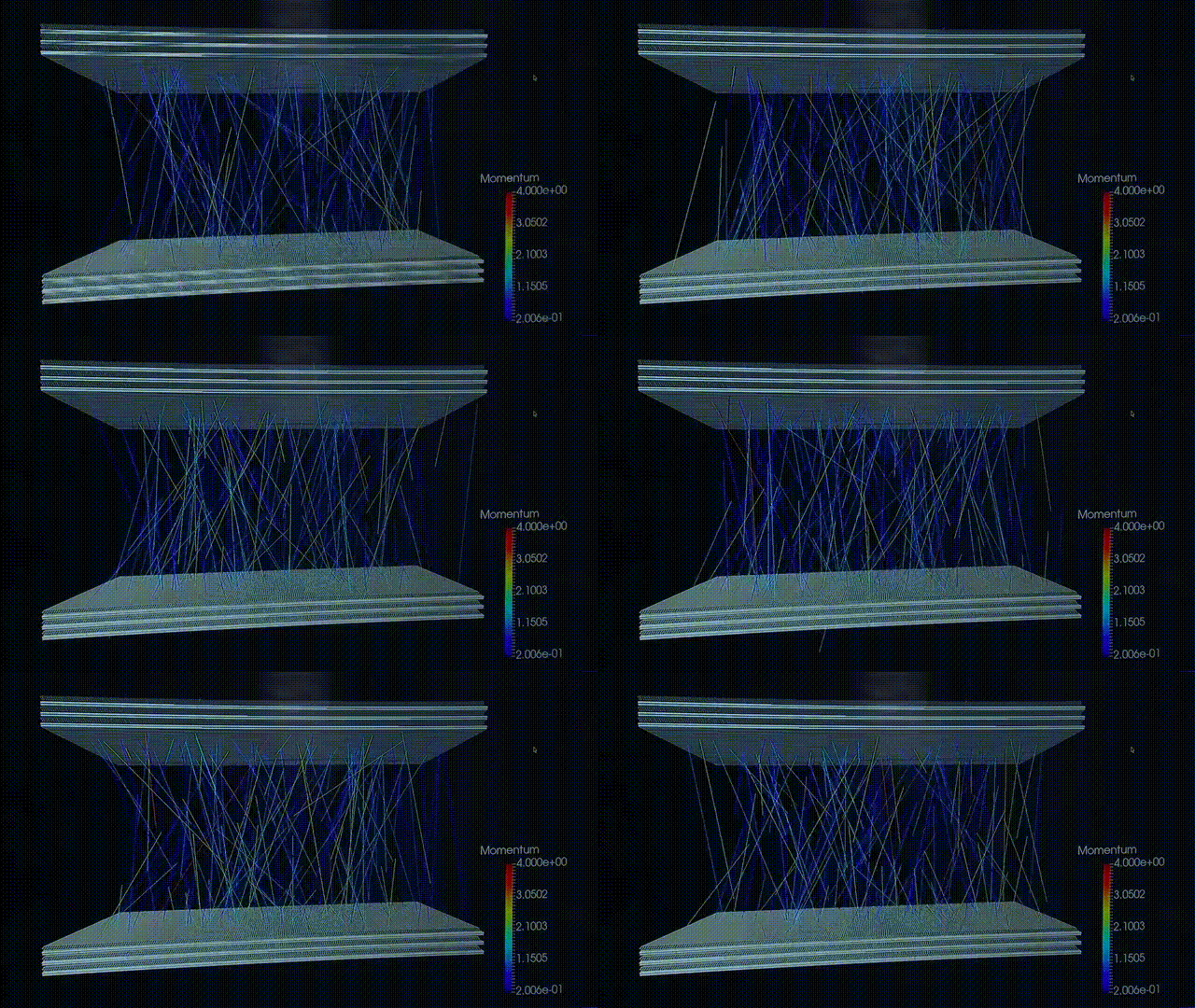
Muons first penetrate the tube arrays over the top, then the truck and container and lastly through the tube arrays below. Their trajectory is changed based on the atomic number and nuclear density of the material with which they interact.
- Threats and contraband
- Anomalies and voids
- Unshielded and shielded radiological material
Detection Capabilities of the MMPDS
X-ray technology has peaked in it's ability to combat the modern threats to global safety and legitimate trade posed by terrorists and smugglers. MMPDS's capability to penetrate materials and provide actionable information is completely unmatched and it's cutting edge software allows for threat and material of interest indication.

Explosives

Alcohol

Tobacco

Drugs/Narcotics

Fuel

Precious Metals

People

Currency/Paper

Ammunition

Chemical
Case Examples
Contraband Discrimination and Classification
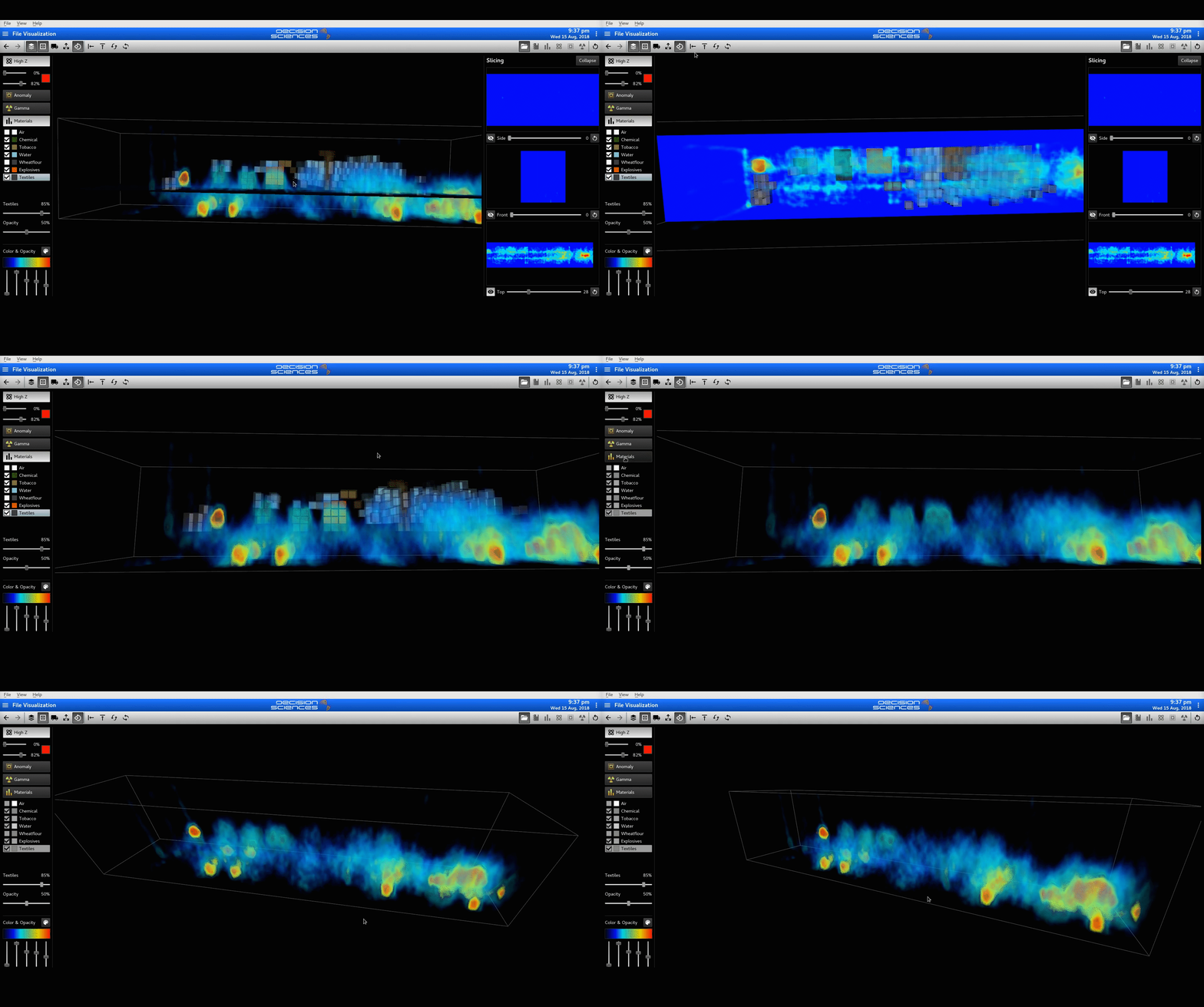
The MMPDS has material discrimination and classification capabilities that are unmatched by x-ray. To the left the MMPDS displays a 3D visualization of a truck and its cargo contents which enables an operator determine that there are multiple materials of interest within this container. The controls and indicators to the left allow operators to analyze for the presence of high - z materials, anomalies, radiation and various materials of interest. The intuitive user interface also allows the officer the capability to slice through the visualization from three axes. X-ray machines have no such capability and would only provide the operator with a 2D image where they are left to make their own interpretations.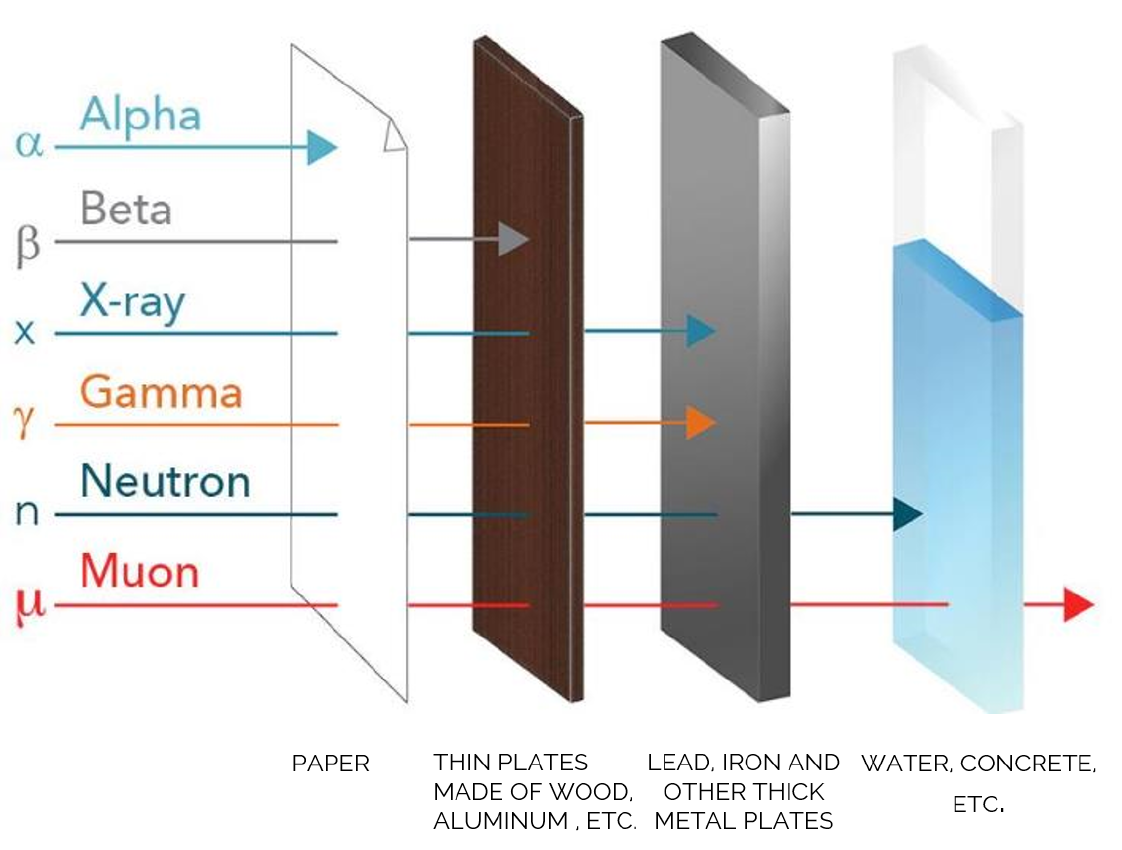
Drugs Hidden Inside Water
Smugglers know that x-ray systems are easily defeated by less than 2 inches of water. With this knowledge they can easily hide contraband within pallets of water, frozen food and produce. Unlike x-rays, Muons safely and naturally penetrate completely through water. In this case the MMPDS is able to discriminate drugs apart from the pallets of water that they are hidden inside of and classifies the drugs as an “anomaly”. The advanced user interface allows operators to slice through the 3D visualization to pinpoint the exact location and relative size of the contraband for seizure.Click Here To Watch Video Below
Key Benefits

Safe
- Zero ionizing radiation
- Safe for people, animals, food
- No exclusion zone needed

Adaptable
- Adjust probability of detection levels on a case-by-case basis
- Adaptable to new threats and trends via data modeling
- Additional functionality achieved with reoccurring software updates
- A network of deployed systems enables the ability to share secure data between locations

Reliable
- High operational availability
- Reduce risk of human error
- No moving parts to break down or maintain

Intuitive
- Penetration and classification capabilities surpass all competing technologies
- 3D visualizations
- Material disctrimination and customized classification

Efficient
- Allows operators to analyze cargo all while continuing their standard operations
- Designed for implementation as a Primary Screening Solution
- Scan a higher % of cargo
FAQS
How does the MMPDS work?
The MMPDS system uses a constant flux of naturally occurring muons and electrons, emanating from cosmic rays, to scan containers or other conveyances for threats or materials of interest. This is accomplished by measuring the scattering density and the stopping power of the muons and electrons as they pass through materials within the scan volume.
The MMPDS system uses this unique data provided by the particle interactions and processes it through multiple proprietary algorithms. MMPDS provides 3-dimensional (3D) visualizations that the operators can manipulate and use as an additional decision-making resource.
What is the difference between X-Ray/Gamma Radiation and MMPDS?
Multi-Mode Passive Detection System (MMPDS):
• 100% safe with no ionizing radiation
• A totally passive system with no safety exclusion needed
• Provides detection and material classification
• 3D visualizations and image slicing
• Low cost maintenance and no moving parts
• High operational availability
• Can penetrate over 1,000 mm of steel
X-ray / Gamma Radiation Systems:
• Produces harmful ionizing radiation
• Requires safety exclusion zone
• High risk of error and no material discrimination capability
• Requires operators’ visual interpretation of 2D image
• High cost maintenance and replacement parts
• Low operational availability
• Unable to penetrate past 400 mm of steel
What are the building specs for the MMPDS enclosure?
The MMPDS Environmental Enclosure (building) is the physical structure that contains and protects the MMPDS hardware and electronics. The specifications for the enclosure depend on the intended implementation and the configuration of the product purchased. This structure can be a freestanding building or an existing, retro-fitted building, or can be an “all-in-one” building that contains the detector as well as a computing room and control booth or room. Regardless of the configuration, the enclosure typically sits atop a single concrete pad with a concrete encased trench where the bottom MMPDS detector array is located.
What other space requirements are needed to run the MMPDS?
A Computing Room and Control Room are needed.
The Computing Room is the space where the computing equipment providing computational and data storage systems are located. This can be a standalone structure or can be adjacent to, or part of, the Control Room. This building or room will contain all of the application servers, database servers, data storage and network equipment required to carry out software processing. It will have the appropriate power, communications and environmental conditioning systems necessary to support the computing operations of the MMPDS.
The Control Room is where the system operator is located and where the image monitors and other MMPDS control systems are located. The system operator may be located either in the detector enclosure or in the Control Room. As previously stated, this could be its own structure or could be combined with the Physical Security Information Management/Command and Control (PSIM/C2) facilities if the MMPDS has been installed in an existing, retrofitted building. The Control Room will contain all of the equipment necessary to control the MMPDS and to conduct visual image analysis via high-resolution monitors and, like the Computing Room, will also contain the entire infrastructure necessary to carry out operations. The Control Room may also be used to allow site operators to control traffic flow and manage the site security in which case the size and specifications for the room will be adjusted.
Has the MMPDS been certified by any independent organization as 100% passive and safe for people to be around?
Yes. Pacific Northwest National Laboratory (PNNL) provided subject matter experts and appropriate radiation detection instruments to perform an on-site measurement of the ionizing radiation emissions, if any, from a Decision Sciences Multi-Mode Passive Detection System (MMPDS). The report can be discussed in detail with customers on a one on one basis.